If you’re researching breakfast franchise costs in the U.S., you’ll quickly notice one thing: the numbers can vary a lot. A smaller fast-casual breakfast concept may cost a few hundred thousand dollars to open, while a large full-service breakfast restaurant or major national brand can climb well over $1 million.
That’s why it’s important to look beyond the franchise fee alone. The real investment usually includes the restaurant buildout, kitchen equipment, signage, training, opening inventory, marketing, working capital, and the cash cushion needed to operate confidently after opening.
For EggBred, the listed investment range is $325,000 to $597,250 and a $37,500 initial franchise fee, according to the brand’s 2025 Franchise Disclosure Document. That makes EggBred a more approachable option compared with many larger national breakfast and diner franchises, especially for candidates looking for a fresh, fast-casual concept with an efficient footprint.
Why Breakfast Franchises Are Getting Attention
Breakfast has become more than the first meal of the day. It’s a daily routine, a weekend habit, a workday convenience, and a comfort category people return to again and again.
For franchise buyers, that matters. A strong breakfast concept can serve guests during busy weekday mornings, casual brunch meetups, lunch breaks, and on-the-go moments. The best concepts are not just selling food. They’re becoming part of people’s routines.
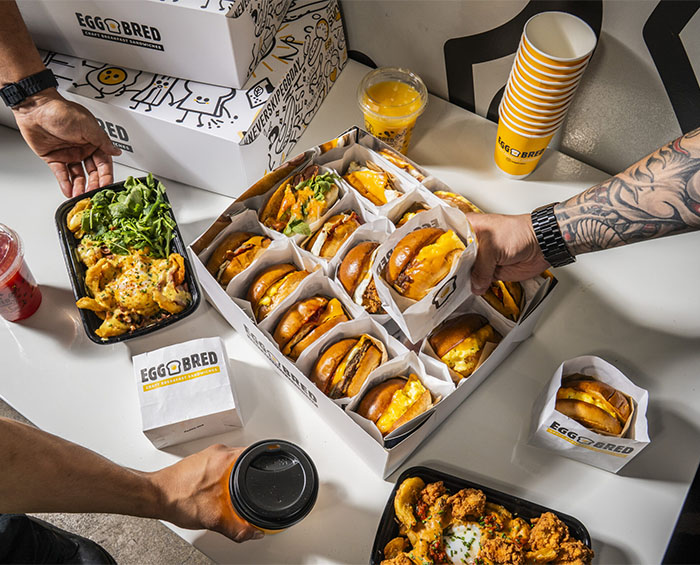
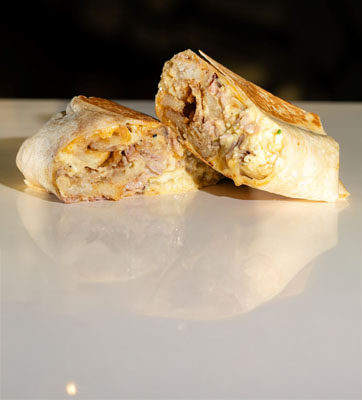
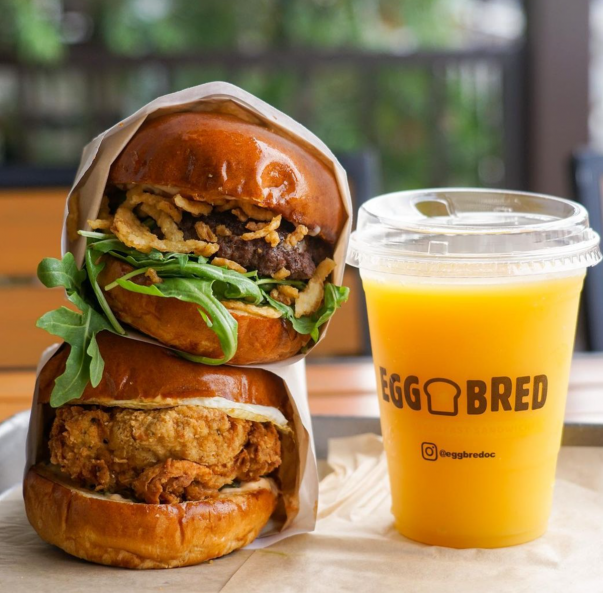
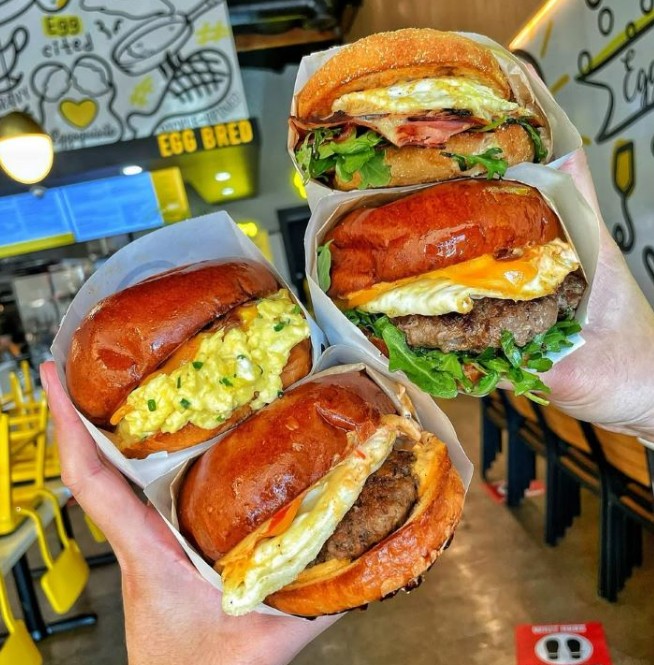
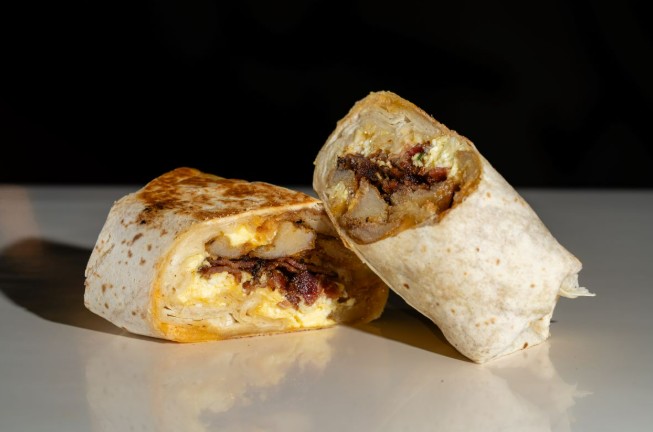
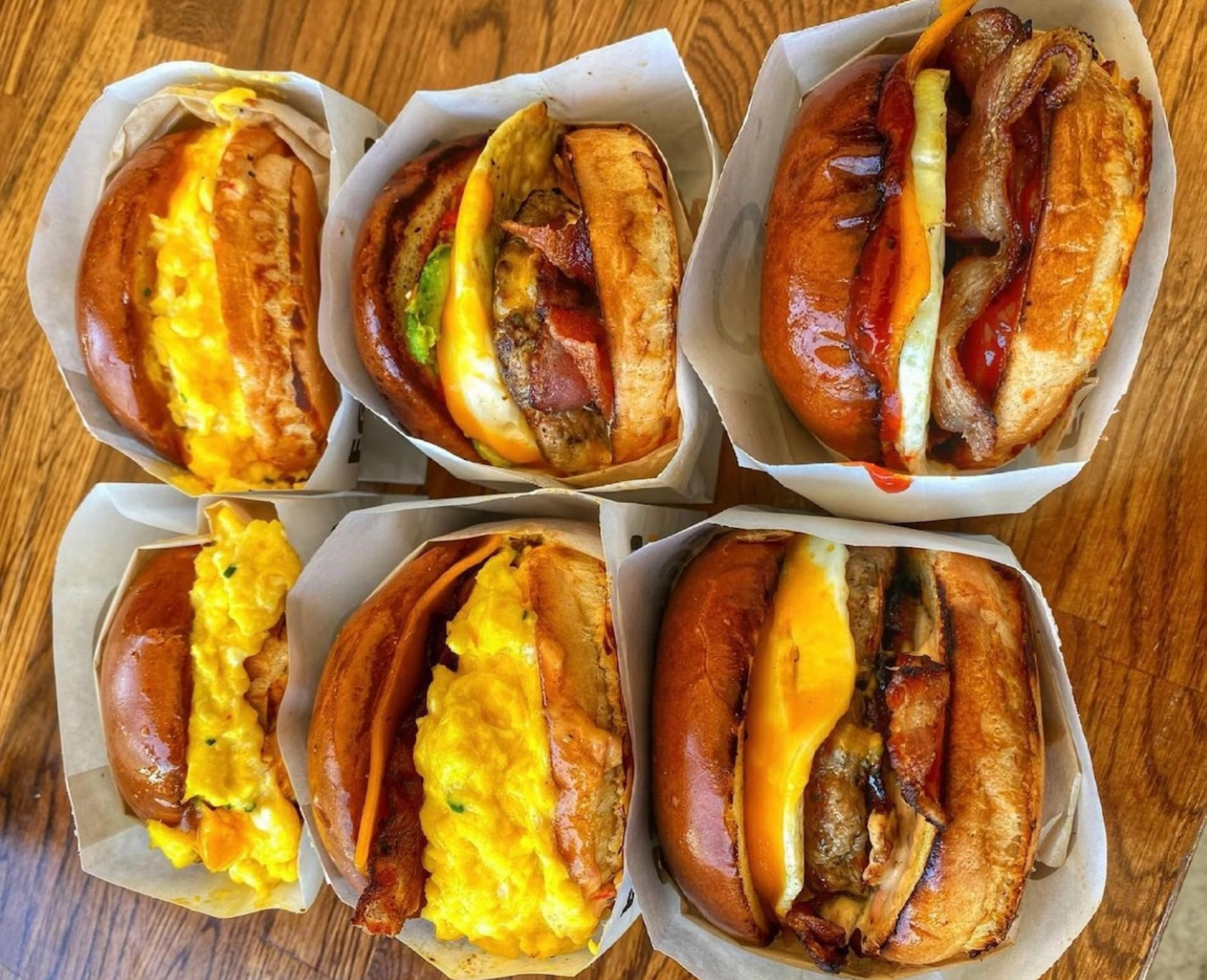
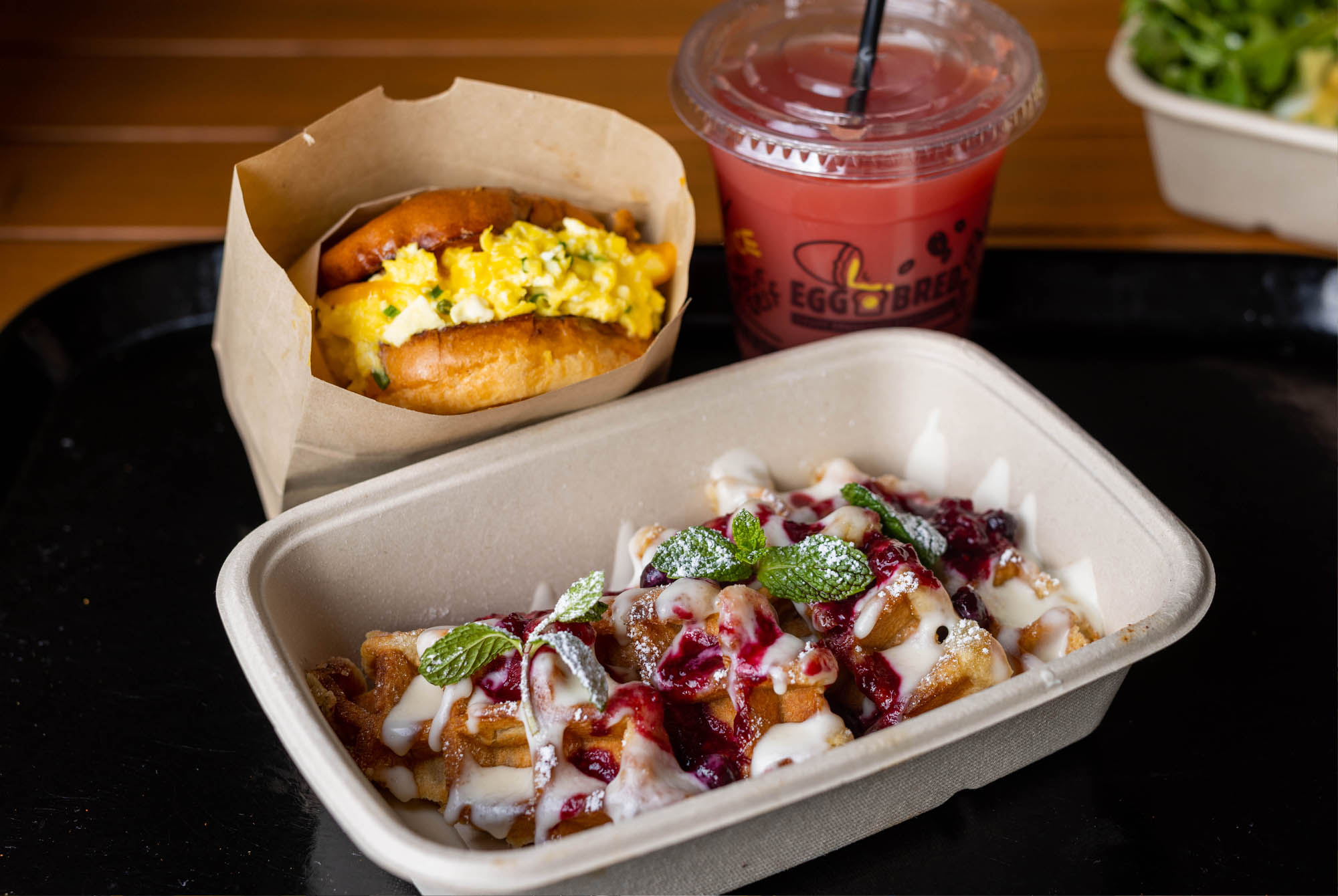
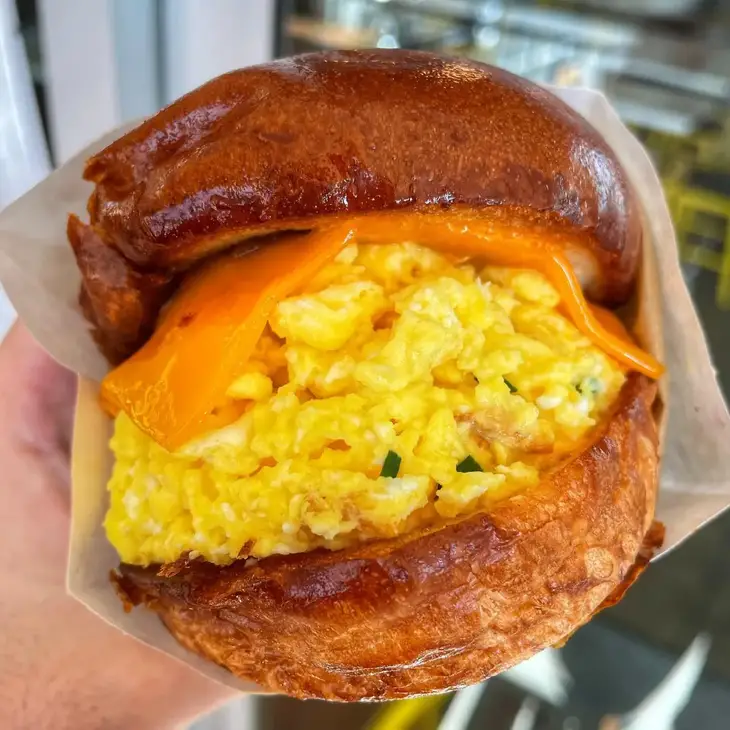
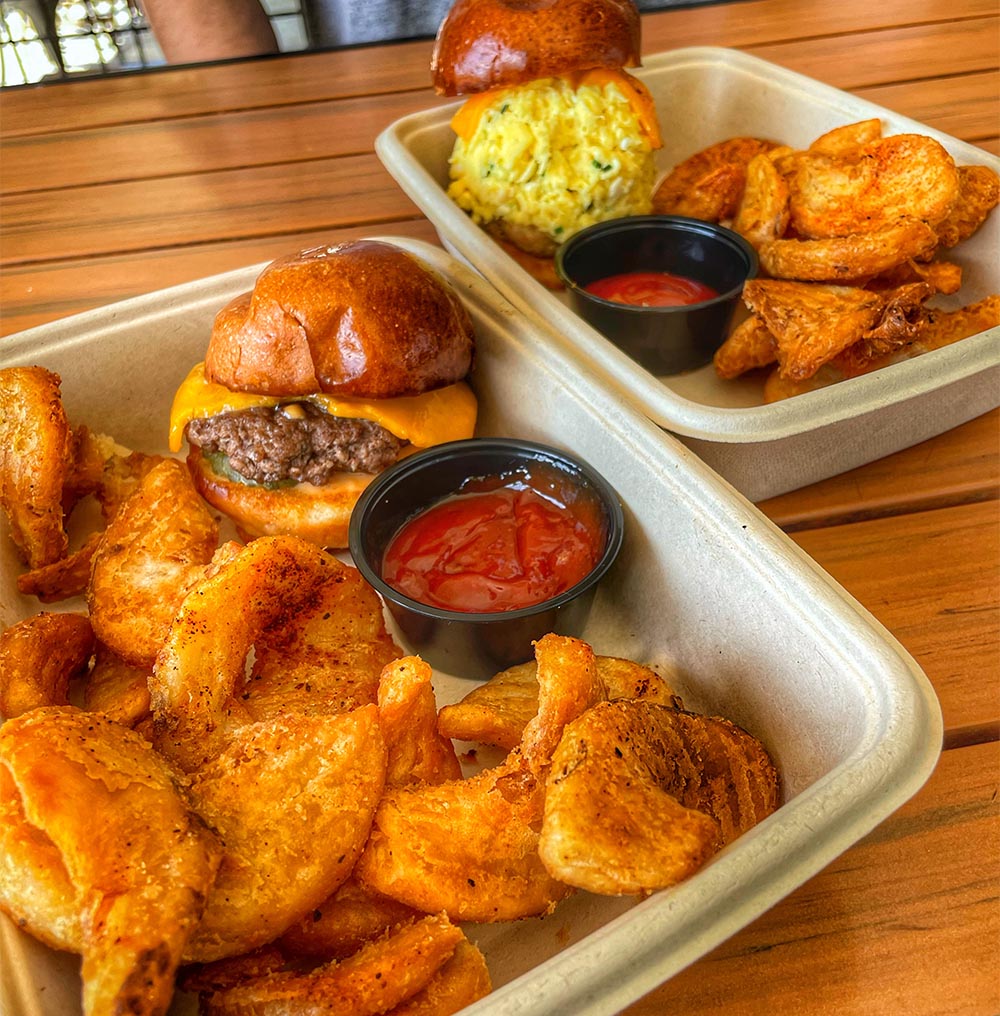
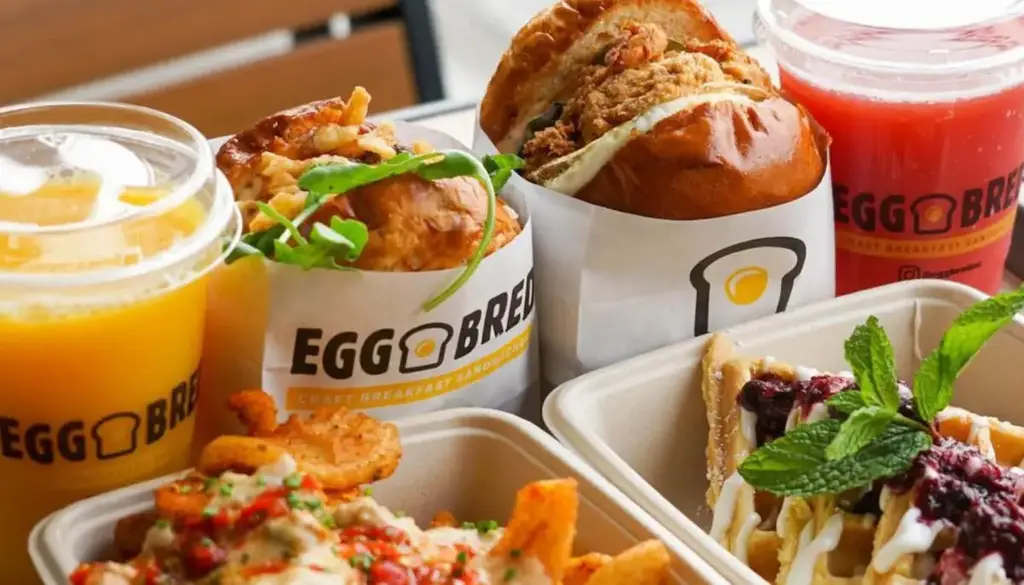
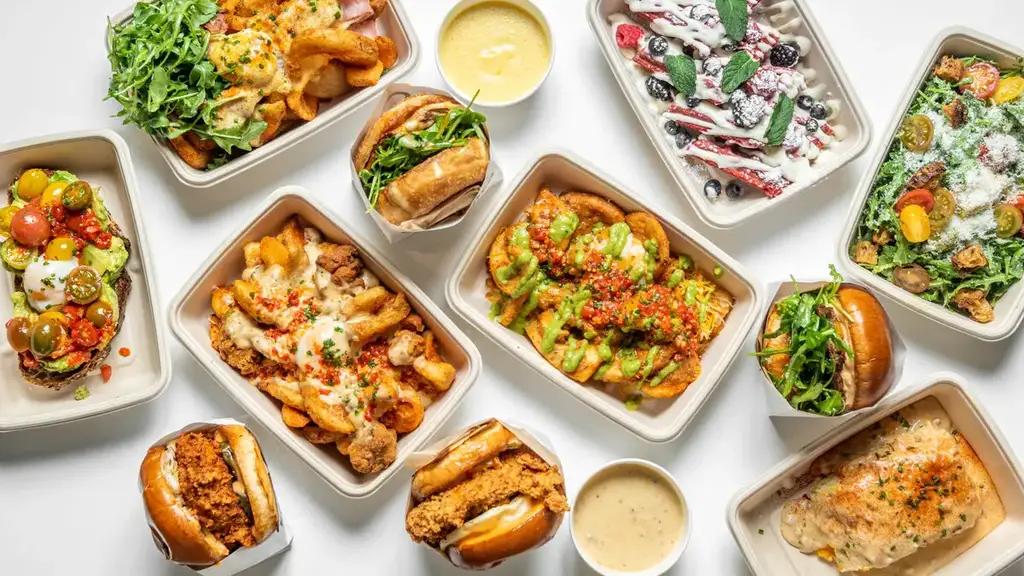
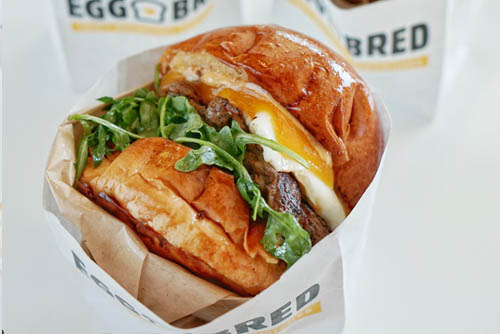
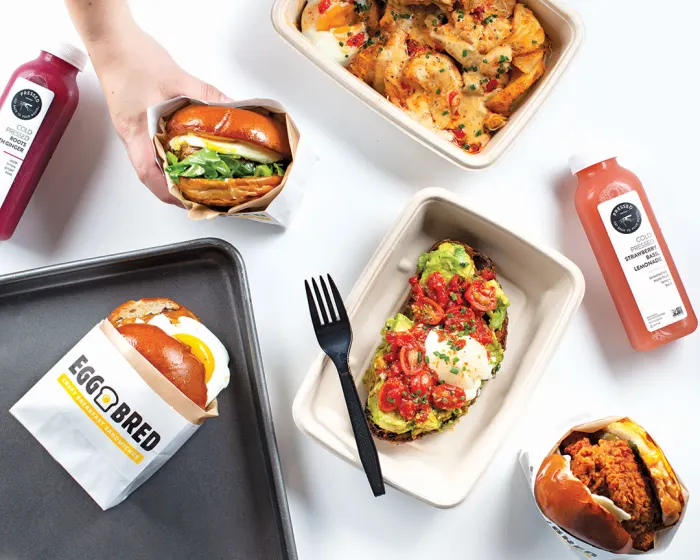
EggBred is built around that opportunity with a fast-casual breakfast and lunch model focused on fresh, made-to-order food, handcrafted breakfast sandwiches, breakfast burritos, loaded potatoes, coffee, juices, salads, avocado toast, and lunch-friendly options. You can get a better feel for the guest experience by browsing the EggBred menu and the brand’s breakfast sandwiches menu.
That combination gives the brand a clear niche: craveable breakfast and lunch without the slow, full-service restaurant model.
National Average: What Breakfast and Restaurant Franchises Usually Cost
Across the U.S., breakfast franchise costs vary widely depending on the brand, restaurant format, footprint, real estate, and level of buildout required.
A smaller fast-casual breakfast brand may fall in the low-to-mid six figures. A full-service diner or major national restaurant brand can easily move past $1 million, especially when construction, larger dining rooms, equipment, and staffing are involved.
For example, IHOP’s 2025 Franchise Disclosure Document lists multiple formats, with full-service investment ranges starting around the high six figures and extending into the multi-million-dollar range. You can review the source in IHOP’s 2025 franchise filing. Denny’s investment range is also broad, with franchise cost summaries based on its FDD showing estimates from the low six figures to more than $2 million depending on format and site. You can view a Denny’s cost summary from FranchiseOverview.
Breakfast and brunch brands in the full-service category often land higher as well. Eggs Up Grill lists an estimated initial investment range of about $821,000 to $1.14 million on its franchise site, while Another Broken Egg Cafe cost summaries based on FDD data show a range of about $802,400 to $1,599,000. You can review those sources through Eggs Up Grill and Frandera’s Another Broken Egg Cafe FDD summary.
Here is a helpful snapshot of common breakfast and restaurant franchise investment ranges:
| Brand or category | Estimated investment range | Notes |
| EggBred | $325,000 to $597,250 | Fast-casual breakfast and lunch concept with an efficient footprint. |
| IHOP | Around $782,498 to $4,041,265 for full-service formats | Full-service breakfast restaurant model with a wide range depending on format and location. |
| Denny’s | Around $305,000 to $2.3 million+ | Full-service diner model with costs that vary by restaurant type, site, and buildout. |
| Eggs Up Grill | Around $821,000 to $1.14 million | Breakfast, brunch, and lunch restaurant model. |
| Another Broken Egg Cafe | Around $802,400 to $1,599,000 | Brunch-focused restaurant model. |
| Larger breakfast or diner-style franchises | Roughly $500,000 to $1.5 million+ | Costs depend heavily on size, construction, equipment, staffing, and real estate. |
The takeaway is simple: a practical planning range for breakfast franchise buyers is often $300,000 to $1.5 million or more. Smaller fast-casual concepts typically land toward the lower end, while larger full-service restaurants and national brands often require a much higher investment.
What Is Included in a Breakfast Franchise Cost?
A breakfast franchise cost is not one single number. It’s a combination of startup expenses, launch expenses, and ongoing costs.
The International Franchise Association explains that franchise costs can include the initial franchise fee, buildout, equipment, inventory, insurance, professional fees, technology, marketing, and ongoing royalties or advertising fees.
Most franchise buyers should expect to plan for the following:
| Cost category | What it usually covers | Why it matters |
| Initial franchise fee | The right to use the brand name, system, training, and support. | This is one of the first major upfront payments. |
| Real estate and lease costs | Lease deposits, rent, site selection, and related location expenses. | Location can heavily influence total investment. |
| Buildout and construction | Kitchen layout, dining area, counters, flooring, signage, permits, and utilities. | Restaurant buildout is often one of the largest cost categories. |
| Equipment and fixtures | Kitchen equipment, refrigeration, furniture, POS, smallwares, and operating tools. | Breakfast concepts need speed, consistency, and reliable systems. |
| Opening inventory | Food, beverages, packaging, uniforms, and supplies. | You need enough product and materials to open smoothly. |
| Marketing and grand opening | Local advertising, launch promotions, signage, and community outreach. | Early awareness helps introduce the restaurant to the market. |
| Working capital | Cash reserves for payroll, rent, utilities, food costs, and early operations. | A strong cash cushion helps the business through the opening ramp-up period. |
For breakfast concepts specifically, costs can shift based on the menu. A brand with coffee, eggs, griddled items, sandwiches, burritos, fried proteins, fresh sauces, and to-go packaging needs the right equipment and systems to keep quality consistent during busy morning rushes.
EggBred Franchise Cost Breakdown
EggBred’s listed investment range gives prospective franchisees a clear starting point.
| EggBred investment item | Listed amount or detail |
| Total investment range | $325,000 to $597,250 |
| Initial franchise fee | $37,500 |
| Typical restaurant size | 900 to 1,500 square feet |
| Single-unit and multi-unit opportunities | Available |
| Area development fee for two restaurants | $57,500 |
| Area development fee for three restaurants | $75,000 |
| Minimum cash requirement listed publicly | $80,000 |
That range can vary depending on the location, lease terms, restaurant condition, construction costs, equipment needs, market conditions, and how the space is built out.
For candidates comparing breakfast franchise opportunities, EggBred’s listed range is competitive because it sits below many larger full-service breakfast and diner-style concepts.
Why EggBred’s Model Can Be More Efficient
Cost is important, but it’s not the whole story. A lower investment does not automatically make a stronger opportunity, and a higher investment does not automatically mean stronger returns.
The better question is: what does the investment support?
EggBred’s model is designed around fast-casual breakfast and lunch, which gives franchisees a few key advantages.
A focused breakfast and lunch concept
EggBred is built around the idea that breakfast can be better, fresher, and more exciting without becoming complicated. The menu includes craft breakfast sandwiches, breakfast burritos, loaded potatoes, coffee, cold-pressed juices, salads, avocado toast, lunch options, and sweets.
That gives guests variety while keeping the concept focused on what it does best.
A smaller footprint
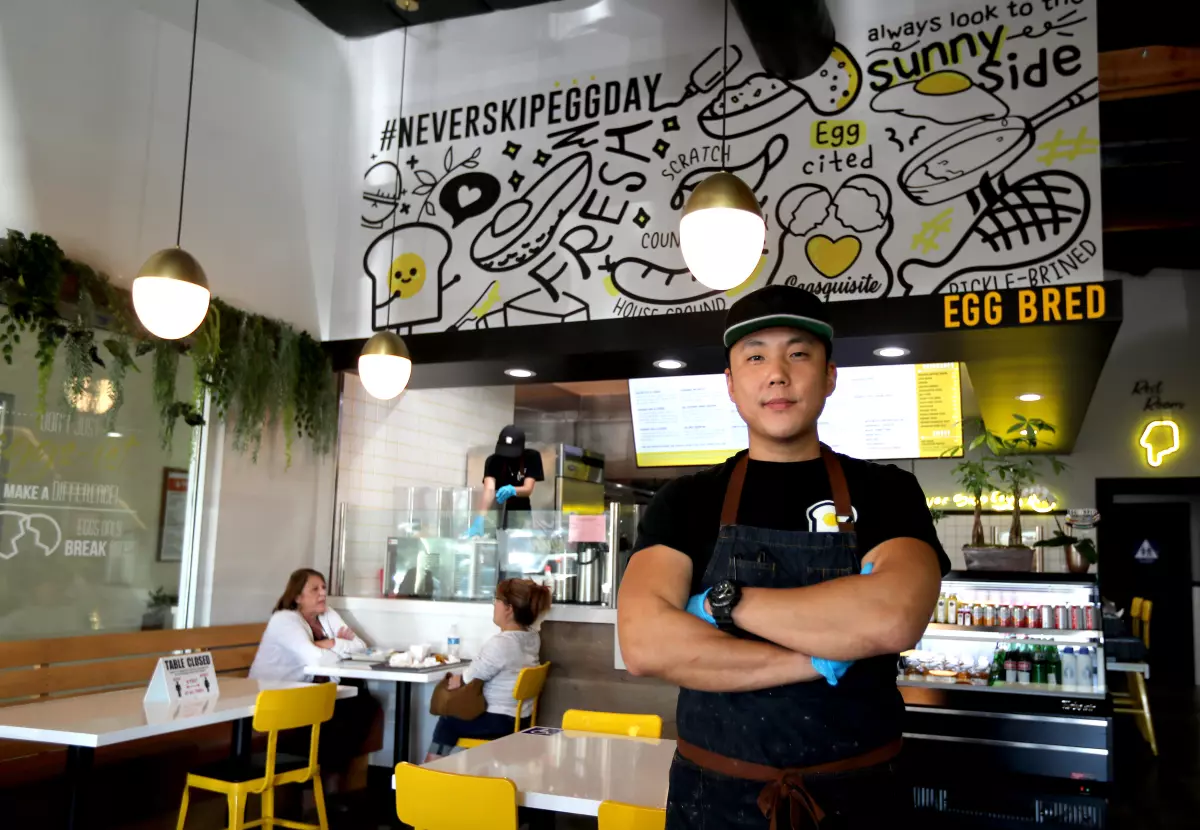
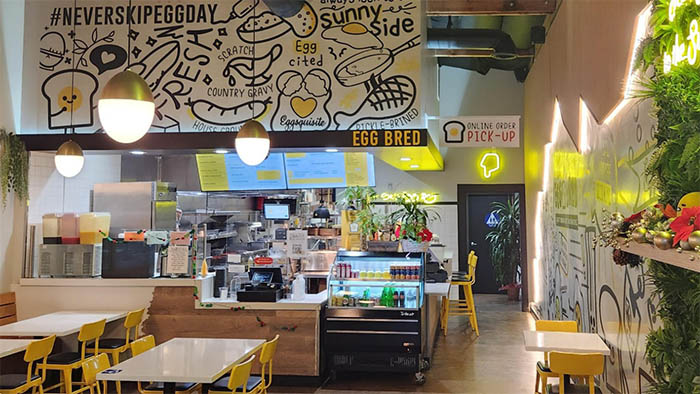
EggBred looks for efficient spaces, typically around 900 to 1,500 square feet. That can help reduce some of the complexity that comes with larger full-service restaurants, although final costs still depend on the specific market and site.
A takeout-friendly menu
Modern breakfast customers want options. Some want to sit down and enjoy brunch. Others want to order ahead, pick up, and keep moving.
EggBred’s menu works well for dine-in, pickup, and to-go orders because breakfast sandwiches, burritos, coffee, juices, and loaded comfort items travel well and fit real morning routines.
Lifestyle-focused operating hours
Many restaurant concepts require late nights or long dinner shifts. EggBred is positioned around breakfast and lunch, which may appeal to candidates who want restaurant ownership in a more lifestyle-friendly daypart.
What Drives the Final Cost of a Breakfast Franchise?
Even when a brand provides a clear investment range, no two restaurant openings are exactly the same. Several factors can push costs higher or lower.
Location and real estate
A high-traffic coastal market will usually cost more than a smaller suburban shopping center. Rent, tenant improvement allowances, visibility, parking, lease terms, and local demand all play a role.
Condition of the space
A second-generation restaurant space may already have some plumbing, electrical, ventilation, or kitchen infrastructure in place. A raw shell space may require more construction and a larger upfront investment.
Construction and permitting
Restaurant buildout costs can vary based on local labor rates, code requirements, permits, inspections, materials, and the complexity of the kitchen layout.
Equipment and technology
Breakfast restaurants need reliable equipment that can handle busy morning demand. That may include griddles, fryers, refrigeration, prep stations, coffee equipment, POS systems, online ordering tools, and smallwares.
Staffing and training
A strong opening requires trained team members. Labor costs, training time, onboarding, and management support should all be part of the budget.
Working capital
Working capital is one of the most important numbers to plan carefully. It helps cover payroll, food costs, rent, utilities, insurance, repairs, and local marketing while the restaurant builds momentum.
Comparing EggBred to National Breakfast Franchise Costs
When you compare EggBred to larger breakfast and restaurant franchise brands, the difference is clear.
Full-service breakfast restaurants often require larger spaces, bigger dining rooms, more staff, more equipment, and longer operating hours. Those factors can push startup costs into the high six figures or millions.
EggBred’s listed range of $325,000 to $597,250 puts it closer to the lower end of the breakfast franchise category, especially compared with national diner and full-service brunch brands.
That does not mean the decision should be based on cost alone. Prospective franchisees should also consider brand positioning, menu strength, market fit, training, operations, ongoing fees, territory, and long-term goals.
What About Ongoing Franchise Fees?
Startup costs are only part of the investment. Franchisees should also plan for ongoing expenses such as royalties, marketing contributions, technology fees, payroll, food costs, rent, utilities, insurance, maintenance, and local marketing.
Ongoing royalties are standard in franchising. They give franchisees continued access to the brand, systems, support, and operating model. Marketing fees may also support brand awareness, advertising, creative development, and broader promotional efforts.
Before making any franchise decision, candidates should review the current Franchise Disclosure Document carefully. The Federal Trade Commission explains that franchisors must provide a Franchise Disclosure Document with 23 required items of information so prospective franchisees can evaluate the opportunity before investing. You can review the FTC Franchise Rule for more detail.
Federal franchise rules also require that the FDD generally be provided at least 14 calendar days before a prospective franchisee signs a binding agreement or pays money to the franchisor or an affiliate. That timing is outlined in the Electronic Code of Federal Regulations.
Financing a Breakfast Franchise
Many franchisees use a mix of personal capital, loans, and other financing options to fund a restaurant opening.
Common financing paths may include:
- SBA loans.
- Conventional bank loans.
- Equipment financing.
- 401(k) rollover programs.
- Personal savings.
- Investor partnerships.
- Working capital loans.
EggBred’s franchise information notes that candidates should have cash, assets, or access to capital sufficient to fund construction and initial operations. The brand also references third-party strategic partners that can provide financial products, including SBA and conventional loans, equipment leasing, 401(k) rollover options, and working capital.
Financing approval is never guaranteed, so candidates should speak with lenders early and build a realistic budget before moving too far into site selection or lease negotiations.
Questions to Ask Before Investing in a Breakfast Franchise
Before investing in any breakfast franchise, ask questions that go beyond the headline investment number.
| Question to ask | Why it matters |
| What is included in the total investment range? | You need to know what is covered and what may fall outside the estimate. |
| How much working capital should I plan for? | Early cash flow can be unpredictable after opening. |
| What site types perform best? | Real estate can shape visibility, traffic, rent, and buildout costs. |
| What are the ongoing royalties and fees? | These affect long-term cash flow and profitability. |
| What training and launch support is included? | Strong support can make opening smoother. |
| What does the FDD say? | This is the key document for fees, obligations, risks, and franchise terms. |
| How does the model fit my lifestyle? | Hours, staffing, and owner involvement matter just as much as startup cost. |
Is a Breakfast Franchise Worth the Cost?
A breakfast franchise can be worth the cost for the right operator, especially when the concept has a clear niche, strong customer demand, efficient operations, and a support system that helps franchisees launch with confidence.
Breakfast is a strong category because it fits daily routines. People want coffee, handheld meals, quick pickup, weekend brunch, and dependable local favorites. EggBred brings those pieces together through a fresh, made-to-order menu and a fast-casual model that feels modern, approachable, and differentiated.
For candidates comparing opportunities, EggBred offers a defined investment range, a clear franchise fee, a focused breakfast and lunch menu, efficient restaurant sizing, and a concept built around fresh morning favorites.
Learn More About the EggBred Franchise Opportunity
If you’re exploring breakfast franchise costs in the U.S., EggBred offers a fresh, fast-casual breakfast and lunch concept with a clear investment range, approachable menu, efficient footprint, and support designed to help franchisees get started.
Start with the EggBred franchise opportunity page, review the EggBred franchise investment details, and take the next step when you’re ready to see whether EggBred is the right fit for your market.
FAQs About Breakfast Franchise Costs
What does a breakfast franchise cost in the U.S.?
A breakfast franchise in the U.S. can cost anywhere from a few hundred thousand dollars to more than $1 million. The final number depends on the brand, restaurant size, real estate, buildout, equipment, staffing, inventory, and working capital.
Is EggBred less expensive than some national breakfast franchises?
Based on publicly available investment ranges, EggBred’s listed range is lower than many larger full-service breakfast and diner-style franchises. Large restaurant footprints, bigger dining rooms, and more complex buildouts often increase total startup costs.
What costs should I plan for besides the franchise fee?
Plan for real estate, lease deposits, construction, kitchen equipment, signage, furniture, fixtures, technology, opening inventory, training-related costs, local marketing, payroll, insurance, utilities, and working capital.
Do I need restaurant experience to open a breakfast franchise?
Restaurant experience can be helpful, but each brand has its own requirements. Candidates should review the franchisor’s qualifications and speak with the franchise team to understand what kind of background, leadership experience, and operational involvement is expected.
How do I know if a franchise investment is a good fit?
Review the FDD, talk with the franchise team, evaluate your available capital, understand ongoing fees, speak with advisors, and compare the model against your goals, market, and lifestyle.
Disclosure: Franchise investment ranges and cost estimates are provided for general informational purposes only and may vary based on location, site conditions, buildout, equipment, financing, market factors, and other business decisions. Prospective franchisees should review the current Franchise Disclosure Document, speak directly with the franchisor, and consult qualified legal, financial, and tax advisors before making any investment decision.